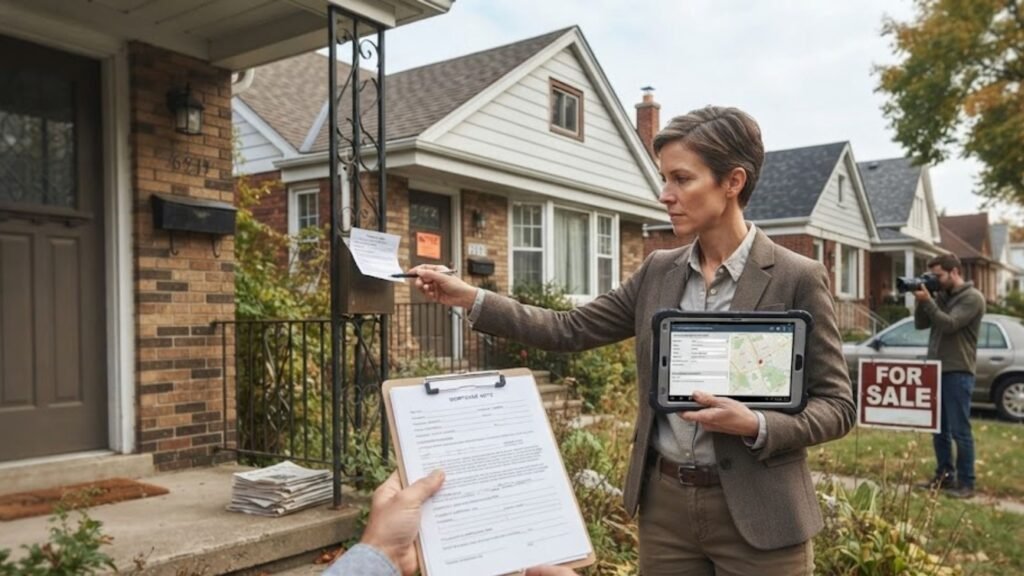
Navigating the complexities of Non Performing Note Acquisition requires a keen eye for detail, and understanding who is physically living behind the front door is perhaps the most critical puzzle piece for any investor. When you purchase distressed debt, you are not just acquiring a legal lien on a property; you are stepping into a dynamic real estate scenario where human lives, legal rights, and financial assets intersect. Without clear insights into the physical status of a dwelling, investors risk walking blindly into extended legal battles, unexpected property damage, or costly delays that can severely impact overall returns. This comprehensive guide explores why verifying who occupies a home is indispensable for risk mitigation, financial forecasting, and executing a successful resolution strategy in the secondary mortgage market.
What is occupancy verification in non performing note acquisition?

Non Performing Note Acquisition involves purchasing debt instruments where the borrower has fallen significantly behind on their monthly mortgage payments. At the heart of this due diligence phase lies occupancy verification, a meticulous procedure designed to determine whether a property is owner-occupied, tenant-occupied, or entirely vacant. Investors partner with experienced asset management teams to uncover these vital facts before finalizing any financial transactions. Knowing the exact status of the real estate asset sets the foundation for every subsequent decision, from legal compliance to asset management.
The Core Objectives of Property Investigation
Every professional asset manager understands that gathering accurate intelligence on a distressed asset protects capital from unforeseen liabilities. The property inspection process serves as the primary mechanism for uncovering physical damage, structural neglect, or unauthorized occupants who might claim squatters rights. By establishing a clear timeline of events and physical conditions, investors can accurately project their holding costs and potential turnaround times. Furthermore, having precise data prevents costly surprises during the foreclosure or loan modification stages.
Why Assumptions Can Destroy Investment Yields
Relying on outdated credit reports or historical loan origination data is one of the most dangerous mistakes an investor can make in the distressed debt space. Borrowers frequently abandon properties months before official default notices are finalized, leaving homes vulnerable to vandalism, weather damage, or code violations. Conversely, a property that appears abandoned from the curb might actually house a paying tenant whose lease agreement alters local tenant protection laws. Failing to account for these variables creates severe financial roadblocks that erode profit margins.
How Does Borrower Occupancy Status Impact Foreclosure Timelines?
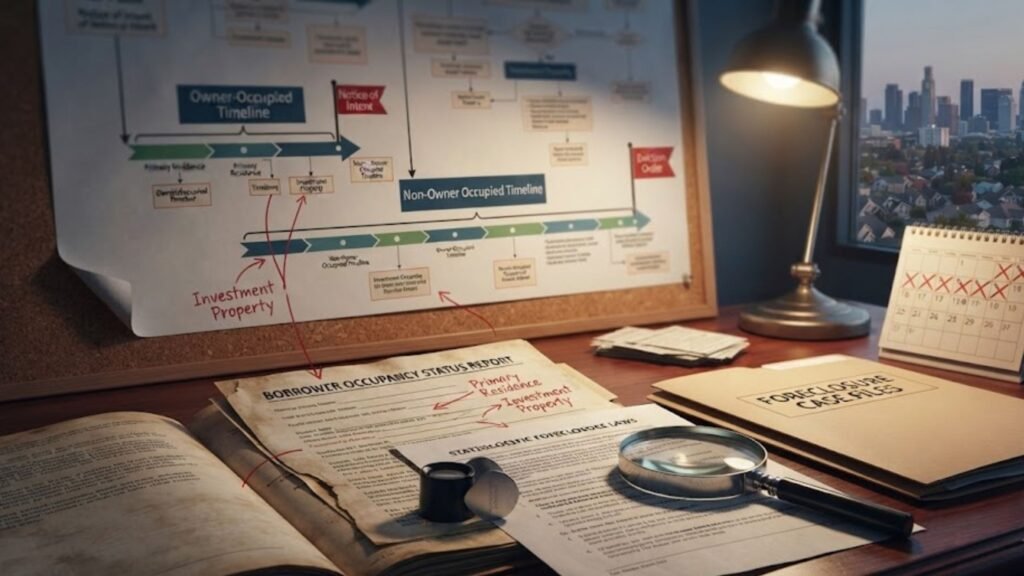
The legal pathway to resolving a delinquent mortgage depends heavily on whether the real estate asset is inhabited by the original borrower or a third party. When evaluating borrower occupancy status, legal teams must navigate different state statutes regarding redemption periods, eviction mandates, and servicing disclosures. Owner occupied properties often trigger specific homeowner advocacy programs and mandatory mediation sessions that extend the timeline before a sheriff sale can occur. Understanding these procedural delays allows portfolio managers to price risk accurately and allocate capital efficiently.
Navigating State Specific Legal Frameworks
Different jurisdictions enforce contrasting rules that dictate how quickly a lender can take physical possession of a collateralized property. In judicial foreclosure states, the presence of an uncooperative occupant can drag legal proceedings out for several years, accumulating significant property taxes and insurance expenses. Non judicial states offer a faster route, but even streamlined processes grind to a halt if local courts encounter contested occupancy claims. Experienced specialists ensure that all pre-foreclosure notices comply with federal and state guidelines to avoid unnecessary administrative setbacks.
Managing Evictions and Tenant Rights
If an inspection reveals that a renter is living in the home rather than the default borrower, federal statutes like the Protecting Tenants at Foreclosure Act may apply. This legislation requires new owners to honor existing lease terms in many scenarios, altering the immediate monetization strategy. Investors must choose whether to incentivize the tenant to vacate voluntarily or work through a formal court-ordered eviction. Handling these scenarios with professionalism protects the reputation of the acquiring firm and minimizes community friction.
| Occupancy Type | Typical Legal Impact | Recommended Strategy |
| Owner-Occupied | Moderate to high legal delay; possible mediation requirements | Pursue loan modification or structured short sale |
| Tenant-Occupied | Potential lease protections; governed by tenant laws | Honor valid leases or negotiate cash-for-keys |
| Vacant Property | High risk of vandalism; immediate security needs | Secure premises, winterize, and list for disposition |
What Methods Do Professionals Use for Accurate Property Inspections?
Modern debt buyers rely on a sophisticated blend of technology, boots on the ground intelligence, and public record analysis to confirm whether a home is inhabited. Conducting a thorough property inspection process goes beyond a simple drive by assessment; it requires observing utility meters, tracking mail accumulation, and analyzing local utility consumption patterns. When complex cases arise, specialized firms step in to conduct comprehensive physical site audits that deliver actionable data. These meticulous field evaluations eliminate guesswork and provide institutional-grade confidence to portfolio buyers.
Utilizing Drive By and Visual Assessments
The initial phase of any physical audit typically involves dispatching a licensed local inspector to capture time-stamped photographs of the exterior premises. Inspectors look for subtle cues such as overgrown lawns, drawn curtains, package deliveries, or notices posted on the front door by local municipal authorities. While these visual indicators provide a helpful baseline, they rarely tell the whole story, which is why advanced verification techniques are often necessary. Combining visual inspections with neighborhood interviews yields a much clearer picture of daily activity at the address.
Advanced Data Analytics and Skip Tracing
Beyond physical site visits, modern asset managers employ digital skip tracing and public database cross-referencing to track down elusive borrowers. By analyzing recent changes in voter registration, utility billing names, and social media footprints, analysts can often determine whether a borrower has relocated. To discuss customized acquisition strategies and due diligence frameworks, you can schedule a consultation through our booking portal to align your portfolio goals. Integrating digital intelligence with physical site checks creates a bulletproof due diligence methodology.
What Are the Financial Risks of Skipping Pre Acquisition Due Diligence?
Purchasing distressed notes without verifying who lives in the property is akin to buying a car without checking if the engine is intact. Hidden liabilities can quickly transform a seemingly profitable portfolio into a massive financial drain that consumes operational resources. From environmental hazards to unpaid municipal liens, unknown physical conditions pose severe threats to institutional balance sheets. Thorough upfront research safeguards your capital and ensures that every dollar spent aligns with your long-term investment thesis.
Uncovering Municipal Liens and Code Violations
Abandoned properties frequently accumulate severe municipal fines, unpaid water bills, and code violation penalties that take priority over standard mortgage liens. If an investor fails to uncover these hidden debts prior to closing the transaction, they inherit the full financial responsibility upon taking title. Experienced firms such as Buckingham-Partners specialize in auditing these underlying encumbrances to protect investors from unexpected liabilities. Identifying municipal obligations early allows buyers to adjust their bidding prices or factor remediation costs into their financial models.
Physical Damage and Environmental Hazards
Vacant homes left unmonitored for extended periods are prime targets for metal thieves, arsonists, and structural decay caused by leaking roofs or frozen plumbing pipes. Mold infestations, asbestos, and hazardous waste dumping can turn a residential lot into an environmental cleanup nightmare that costs tens of thousands of dollars to resolve. Professional asset audits account for these physical risks before any binding agreements are executed. Protecting your investment portfolio requires an uncompromising commitment to verifying the exact physical and occupancy condition of every asset on your ledger.
| Risk Category | Potential Financial Impact | Mitigation Technique |
| Municipal Liens | High priority debt claims | Comprehensive title and municipal lien searches |
| Physical Damage | Severe repair costs and loss of value | Detailed interior and exterior physical inspections |
| Environmental Hazards | Regulatory fines and remediation expenses | Environmental site assessments and local checks |
How Can Investors Streamline Their Asset Resolution Strategies?
Transforming a non-performing loan into a profitable resolution requires a structured roadmap that addresses both legal realities and borrower engagement. Once occupancy is verified, investors must decide whether to pursue a reinstatement plan, a loan modification, a short sale, or a foreclosure auction. Partnering with seasoned industry experts ensures that every step of the resolution lifecycle is handled with precision and adherence to federal lending regulations.
Developing Effective Borrower Communication Channels
Establishing direct contact with the occupant is often the most efficient path toward a mutually beneficial resolution without resorting to litigation. Skilled negotiators can often uncover hardship reasons that led to the default, opening the door for affordable repayment plans or graceful exits like deeds-in-lieu of foreclosure. When you need expert guidance on structuring your note portfolio, you can explore note services to connect with industry professionals. Effective communication reduces legal friction and accelerates the overall liquidation timeline.
Balancing Portfolio Liquidity and Long-Term Holding Goals
Every institutional buyer must weigh the carrying costs of holding distressed real estate against the immediate liquidity benefits of note sales or speedy foreclosures. Maintaining a balanced portfolio requires continuous monitoring of local market trends, property appreciation rates, and judicial processing speeds. When you work with established industry leaders, you gain access to decades of specialized expertise in managing complex distressed debt portfolios. This collaborative approach empowers your firm to maximize recovery yields while minimizing operational headaches.
Frequently Asked Questions About Residential Occupancy Verification
Why is residential occupancy verification important before purchasing a distressed note?
Verifying occupancy helps investors understand the legal, physical, and financial hurdles they will face after acquiring the debt. It dictates the applicable foreclosure timelines, tenant rights protections, and potential property repair costs.
What is the difference between owner-occupied and tenant-occupied properties in default?
Owner-occupied properties involve the original borrower living in the home, which often triggers specific homeowner relief programs. Tenant-occupied properties involve renters whose lease agreements are often protected by federal or state laws.
How do field inspectors determine if a residential property is truly vacant?
Inspectors look for visual indicators such as accumulated mail, lack of utilities, overgrown landscaping, municipal violation notices, and direct statements from immediate neighbors.
Can vacant properties incur additional financial liabilities for note buyers?
Yes, vacant homes are highly susceptible to vandalism, weather damage, code violations, and unpaid municipal utility liens that can attach to the property title and supersede mortgage liens.
How does Buckingham-Partners assist investors with occupancy verification?
Buckingham-Partners provides specialized due diligence services, property inspection coordination, and strategic guidance to help investors navigate complex non-performing note portfolios successfully.
Conclusion
Mastering the intricacies of Non Performing Note Acquisition demands rigorous preparation, accurate data, and a proactive approach to risk management. As we have examined throughout this guide, residential occupancy verification is not merely an administrative checkbox; it is the cornerstone of a profitable and secure distressed debt strategy. By understanding borrower occupancy status, conducting thorough property inspections, and anticipating legal hurdles, investors can protect their capital and optimize their returns. Whether you are expanding an existing portfolio or entering the secondary mortgage market for the first time, prioritizing accurate intelligence will always pave the way for sustainable long term success.