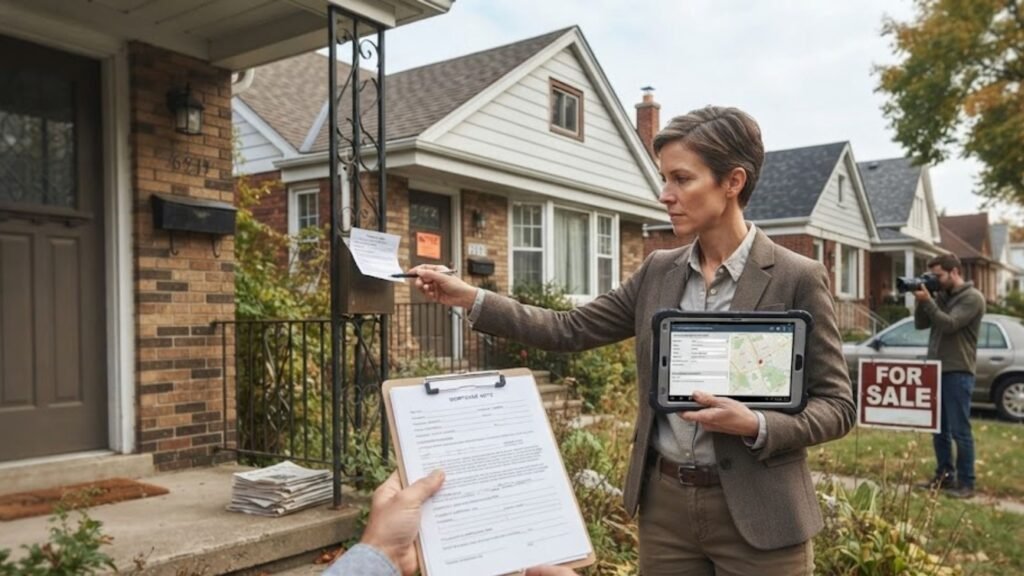
Stepping into the realm of distressed debt requires absolute precision, and mastering non-performing note acquisition starts with having a bulletproof operational framework. When you purchase debt secured by real estate where the borrower has fallen behind on payments, you are not just buying a piece of paper; you are stepping into a complex legal and administrative journey. Without a clear and repeatable system, even seasoned buyers can quickly get overwhelmed by compliance hurdles, unexpected legal expenses, and missed timelines. Building a reliable blueprint ensures that every single file you acquire is handled with the exact same level of scrutiny, risk assessment, and strategic execution. Whether you are scaling an existing portfolio or completing your very first transaction, establishing structured documentation is the definitive differentiator between long-term profitability and costly operational chaos.
What is the process of non-performing note acquisition?
Non-performing note acquisition involves finding, evaluating, and purchasing distressed mortgages or promissory notes at a discount from banks, hedge funds, or private lenders. The primary objective is to work with the borrower toward a mutually beneficial resolution, such as a loan modification, short sale, deed in lieu, or, as a final resort, foreclosure. Because every distressed asset carries unique legal encumbrances, title defects, and property conditions, standardizing your evaluation criteria is vital for mitigating risk. Investors must carefully examine the promissory note, the mortgage or deed of trust, payment histories, and broker price opinions before committing capital. By creating repeatable steps for due diligence, underwriting, and bidding, you protect your capital and lay the groundwork for a successful resolution strategy.
Navigating this asset class demands a disciplined approach to every incoming asset file and tape review. Establishing robust note investing SOPs ensures that your team evaluates every loan through a consistent lens of risk management and compliance. As you scale your operations, maintaining a standardized investment process management protocol prevents costly oversights during high-volume portfolio acquisitions. Developing an efficient operational workflow is the cornerstone of sustainable growth and long-term profitability in the competitive distressed debt market.
Phase 1: Establishing the Foundation and Core Objectives

Before diving into individual asset acquisition, your operational blueprint must clearly define your investment criteria, risk tolerance, and targeted asset classes. Every successful portfolio manager begins by outlining their geographic focus, maximum loan to value thresholds, and preferred property types. You should establish strict guidelines regarding whether you intend to target first-lien mortgages, second liens, residential properties, or commercial assets.
Clear documentation at this foundational stage prevents team members or external partners from chasing deals that fall outside your core competency. Furthermore, defining your exit strategies early on helps align your underwriting model with realistic market conditions. If your primary goal is loan re-performance, your underwriting must factor in borrower rehabilitation metrics and servicing costs. Alternatively, if your exit relies on liquidation or foreclosure, your operational timeline must account for state-specific legal requirements and judicial delays.
Defining Roles and Responsibilities
Assigning clear accountability within your organization ensures that deals do not stall during critical transition phases. Your operational guidelines should outline who is responsible for sourcing, underwriting, legal review, and asset management.
Clear separation of duties minimizes errors and speeds up decision-making when time-sensitive bids are required. For example, your acquisitions manager should handle initial tape analysis, while your legal counsel reviews title reports and compliance disclosures. Documenting these internal handoffs creates a seamless workflow from initial asset discovery to final closing.
Phase 2: Sourcing and Initial Tape Analysis
Sourcing distressed debt requires building reliable relationships with note sellers, regional banks, asset managers, and specialized brokers. Your guidelines must detail how raw data tapes are received, cleaned, and organized within your database for rapid review. Standardizing this ingestion process allows your team to parse hundreds of loan files quickly without missing critical red flags.
When evaluating a tape, your team should immediately filter out assets that do not meet your minimum yield or equity requirements. You can explore opportunities to collaborate on complex asset pools by scheduling a consultation to streamline your pipeline development. Establishing a uniform scoring system for incoming tapes ensures that every asset receives an objective preliminary grade before capital is allocated to deep due diligence.
Due Diligence Checklists
A comprehensive due diligence checklist is the backbone of risk mitigation during note acquisition. Your procedures must mandate a thorough review of every document in the collateral file to verify chain of title and note enforceability. Missing endorsements or lost promissory notes can severely damage your ability to enforce the debt legally down the road.
Your checklist should explicitly cover the following core verification tasks:
- Confirming the physical location and authenticity of the original promissory note.
- Reviewing recorded assignments to ensure an unbroken chain of ownership.
- Checking municipal records for outstanding code violations, tax liens, and environmental hazards.
- Ordering a comprehensive title search to identify superior liens or encumbrances.
- Verifying property occupancy status through drive-by inspections or broker price opinions.
Phase 3: Underwriting and Valuation Models
Accurate underwriting determines the maximum allowable bid you can place on a distressed asset without compromising your target returns. Your operational guidelines must standardize the financial formulas used to calculate projected holding costs, legal fees, servicing expenses, and expected recovery timelines. Relying on inconsistent valuation methods can lead to overbidding on distressed pools and severe capital erosion.
To maintain consistency across all acquisitions, your team should utilize standardized financial spreadsheets that factor in all potential overhead variables. You can also leverage industry-leading insights by visiting Buckingham-Partners to understand how professional asset managers evaluate distressed debt portfolios. Every underwriting model must account for worst-case scenarios, including extended foreclosure timelines and lower-than-expected property liquidation values.
Assessing Property Condition and Market Trends
Understanding the physical and economic environment surrounding the collateral is essential for accurate asset valuation. Your workflow should dictate how broker price opinions and interior or exterior appraisals are ordered and reviewed. Local market trends directly influence your ability to successfully exit an asset through a retail sale or refinance.
The following table outlines the key valuation factors and their standard operational impact during underwriting:
| Valuation Factor | Operational Focus | Impact on Bidding Strategy |
| Broker Price Opinion | Current market value and local demand | Sets the baseline for potential retail exit values |
| Delinquent Property Taxes | County records and redemption periods | Reduces maximum allowable bid to cover back taxes |
| Occupancy Status | Vacant vs. tenant-occupied vs. owner-occupied | Determines immediate legal strategy and holding costs |
| Neighborhood Trends | Appreciation rates and crime statistics | Influences long-term hold vs. rapid liquidation decisions |
Phase 4: Bidding, Contracting, and Closing
Once an asset passes due diligence and underwriting, your procedures must govern the bidding and contract execution phase. Submitting a binding bid requires strict adherence to purchase and sale agreement templates that protect your company from undisclosed liabilities. Your guidelines should specify who has the authority to sign binding agreements and wire earnest money deposits.
Timing is everything in note acquisition, as sellers often award portfolios to the fastest, most reliable buyer rather than the absolute highest bidder. Having pre-approved contract templates and streamlined escrow instructions eliminates bottlenecks during the final stages of purchase. This efficiency builds a stellar reputation with note sellers, increasing your chances of securing future proprietary deal flow.
Phase 5: Post-Closing Asset Management and Servicing

Closing the acquisition is only the halfway point; how you manage the asset post-closing determines your actual realized profit. Your operational blueprint must establish strict protocols for onboarding the newly acquired loans onto your servicing platform. Timely Welcome Letters and compliance notices must be sent to borrowers in accordance with federal and state regulations.
Managing non-performing assets requires a delicate balance of compliance adherence and proactive borrower outreach. You can connect with our dedicated team directly by visiting the contact page to discuss customized servicing and portfolio management solutions. Your asset managers must follow structured communication scripts that encourage borrowers to engage in loss mitigation discussions.
Borrower Outreach and Loss Mitigation Workflows
The ultimate goal of acquiring distressed debt is often finding a collaborative resolution that avoids costly litigation. Your workflow should outline a step-by-step engagement strategy starting with initial phone calls, tailored demand letters, and settlement proposals. Documenting every interaction in your CRM ensures full compliance with debt collection laws and fair lending practices.
The following table summarizes the primary borrower resolution pathways and their operational execution steps:
| Resolution Pathway | Primary Objective | Operational Action Steps |
| Loan Modification | Bring borrower current through restructured terms | Verify income, capitalize arrearages, and adjust interest rates |
| Short Sale | Liquidate property to avoid foreclosure delays | Approve listing price, review purchase offers, and release lien |
| Deed-in-Lieu | Voluntary transfer of property title to investor | Clear junior liens, inspect property condition, and execute deed |
| Judicial Foreclosure | Legal acquisition of underlying real estate | Engage local counsel, file complaint, and attend sheriff sale |
Frequently Asked Questions
What is the biggest risk in non-performing note acquisition?
The greatest risk typically involves title defects, missing allonges, or broken chains of title that impair your legal right to foreclose or enforce the debt. Conducting rigorous due diligence on the collateral file before bidding is the only reliable way to mitigate this exposure.
How do investors calculate their maximum allowable bid?
Investors calculate their bids by taking the estimated property value, subtracting expected holding costs, legal fees, taxes, and repairs, and then applying their target profit margin. This ensures the purchase price leaves enough buffer for unexpected complications.
Why are standard operating procedures necessary for note investing?
Standard operating procedures ensure consistency, regulatory compliance, and risk control across every transaction. When dealing with complex legal assets, having a repeatable checklist prevents costly oversights and accelerates portfolio scaling.
Can beginners start with non-performing notes?
While beginners can succeed in this asset class, it requires extensive education in real estate law, debt collection compliance, and financial analysis. Starting with performing notes or partnering with experienced operators is often recommended before tackling deep distressed debt.
What happens if a borrower refuses to communicate?
If a borrower remains non-responsive after multiple outreach attempts, the investor must pivot to legal remedies such as initiating foreclosure proceedings. Clear operational timelines dictate when outreach efforts transition into formal legal action.
Conclusion
Mastering non-performing note acquisition is a transformative milestone for any real estate investor looking to diversify into debt instruments and distressed assets. By implementing rigorous underwriting models, comprehensive due diligence checklists, and structured post-closing workflows, you protect your capital and build a scalable business. Buckingham-Partners is committed to helping investors navigate these operational complexities with confidence and precision. As you refine your internal systems, remember that consistency and compliance are your greatest assets in achieving sustainable long-term profitability.