
Due diligence is fundamental to expediting non-performing note acquisitions. Errors in diligence produce material delays, financial loss, and regulatory exposure. This article identifies common diligence failures, assesses their impact on financial institutions, and prescribes mitigation strategies. We also outline the structured note-closing workflow and key compliance considerations to provide practitioners with actionable guidance.
Common Due Diligence Mistakes
Insufficient diligence obstructs non-performing note acquisitions. Typical failures include incomplete loan-file reviews, omission of critical documents, and inadequate analysis of jurisdictional legal requirements. Misreading market conditions can produce erroneous valuation assumptions and resulting investment losses.
A frequent root cause is transacting without specialised counsel or an experienced resolution partner. Investors lacking sector expertise elevate the risk of process disruptions. Engaging a seasoned resolution partner streamlines workflows, reduces procedural errors, and accelerates closing timelines.
Importance of Choosing a Resolution Partner
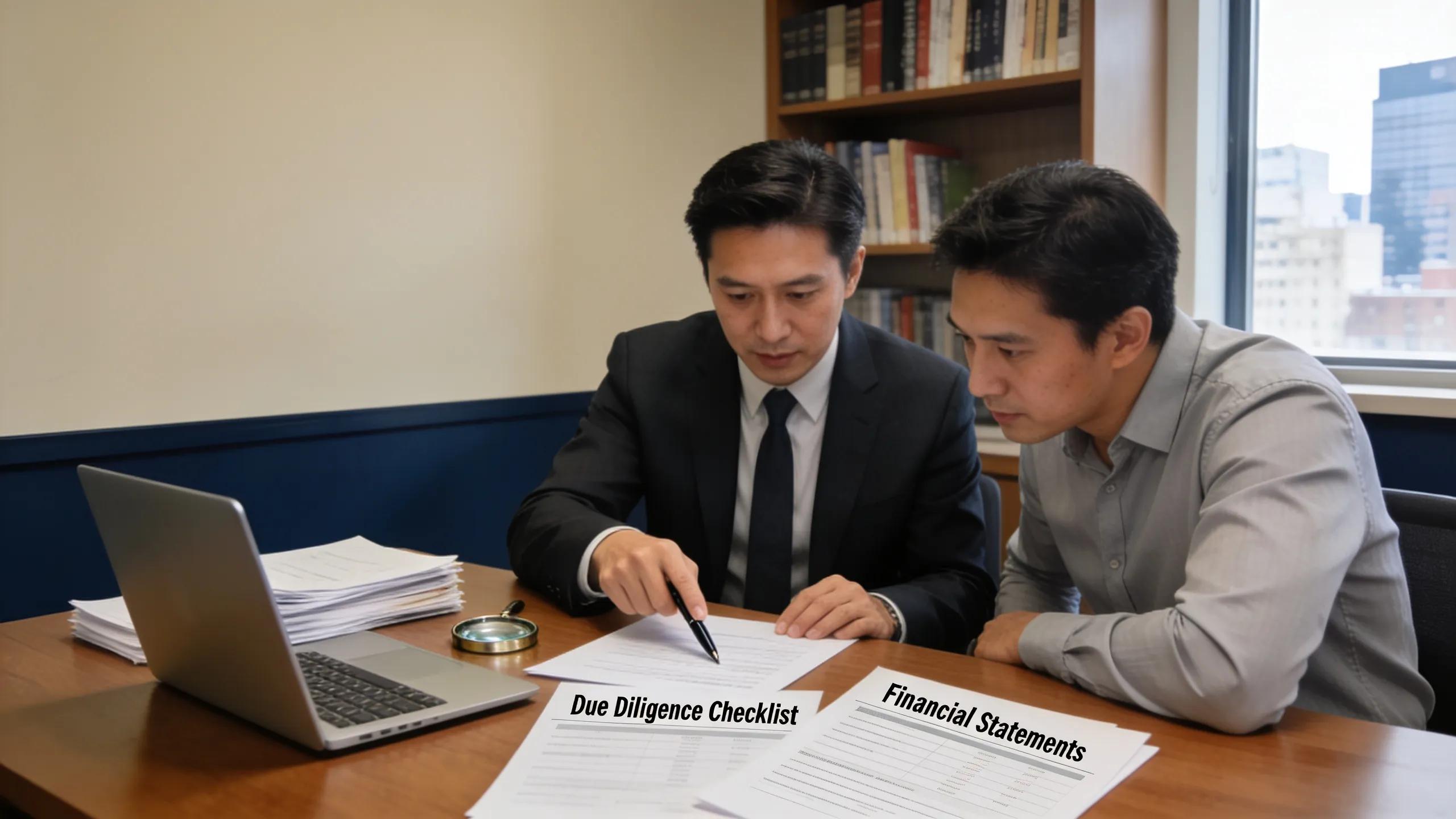
Engaging experienced advisers materially improves diligence quality. Specialist partners contribute market expertise and ensure regulatory and compliance obligations are addressed. Professional engagement reduces acquisition latency and prevents costly remedial actions. To schedule a consultation tailored to your transaction, use our meeting booking services.
Impact of Acquisition Delays on Financial Institutions
Diligence related delays impose significant costs through extended processing, heightened legal exposure, and increased regulatory scrutiny. Inadequate documentation of diligence elevates litigation risk and the potential for enforcement penalties.
Delays also impair liquidity management as capital remains encumbered by unsettled transactions. This constraint reduces investment capacity, hinders growth initiatives, and erodes investor confidence.
Step-by-Step Note Closing Process Explained
The closing process comprises discrete stages to effect transfer of ownership and mitigate counterparty risk. Initially, assemble complete loan files, property valuations, and ancillary agreements. Conduct rigorous document quality control to confirm legal sufficiency and regulatory compliance prior to closing.
Stakeholders including legal counsel, financial advisors, servicers, and regulators must jointly review transaction documents to enable a controlled transfer. Clear, documented communication channels among participants support compliance verification and transactional transparency.
Documentation Requirements
The closing process prioritizes core documentation categories, including:
- Loan Agreements: Clear articulation of terms and obligations.
- Property Appraisals: Validated valuations ensuring the asset’s worth aligns with investment expectations.
- Borrower Evaluations: Comprehensive assessments of borrower histories to ascertain repayment viability.
Confirming the accuracy and completeness of these records is essential to prevent avoidable closing delays.
Risk Mitigation Strategies in Due Diligence
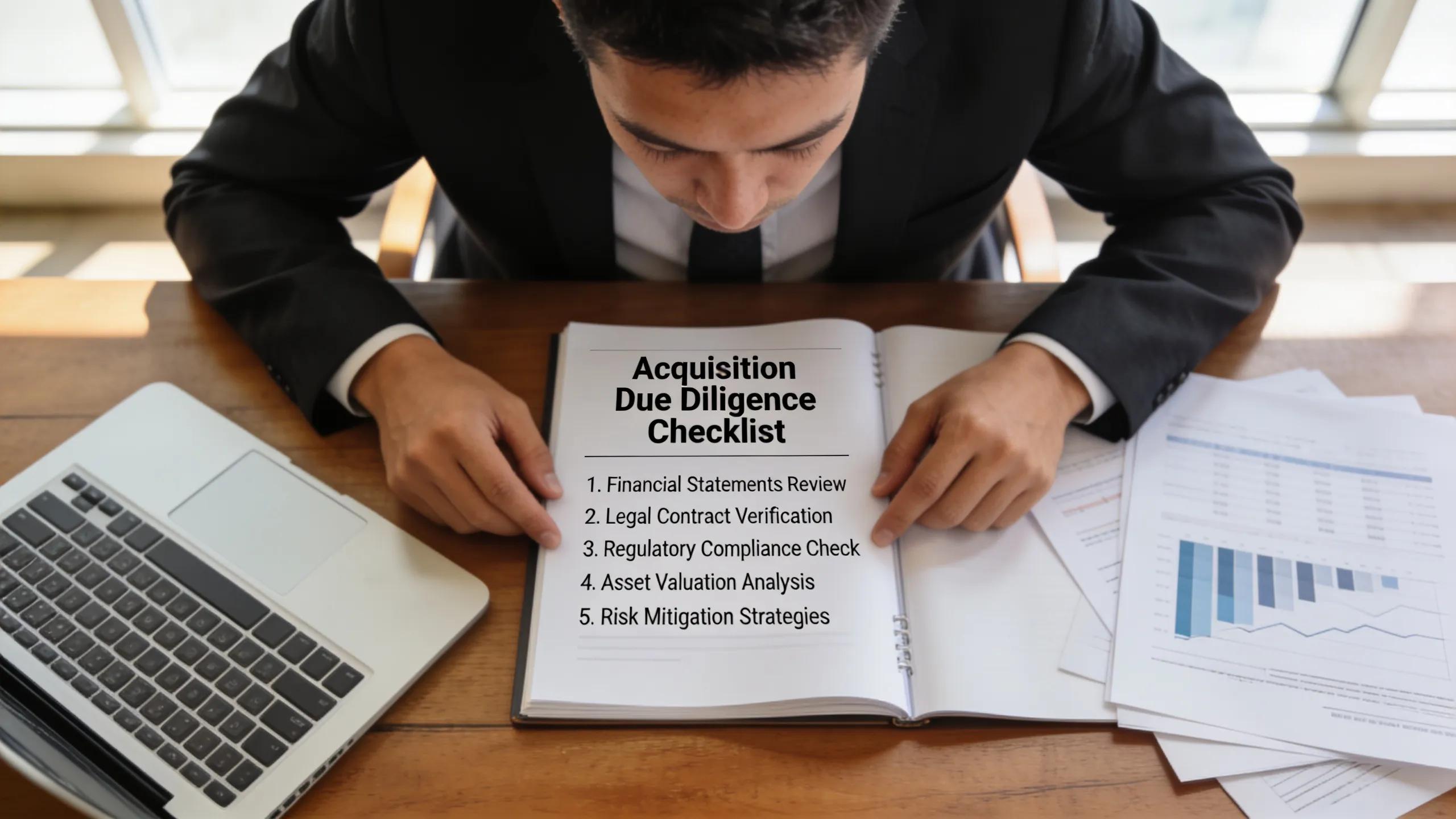
To reduce operational risk and accelerate diligence, implement structured assessment checklists covering borrower credit performance, collateral valuation, and title integrity. Maintain continuous compliance monitoring and periodic regulatory updates to keep stakeholders aligned.
Partnering with specialised diligence providers further enhances procedural efficiency and controls. Such advisers deliver methodologies that strengthen auditability and reduce error incidence. For tailored support in note acquisition, engage Buckingham Partners.
| Strategy | Mechanism | Effectiveness |
|---|---|---|
| Comprehensive Checklists | Structured evaluations | High |
| Experienced Partners | Expert guidance and insights | Medium-High |
| Regular Compliance Updates | Ongoing regulatory adherence | High |
Regularly updating diligence protocols preserves institutional agility in response to market shifts and improves acquisition execution capability.
Regulatory Compliance Considerations
Navigating the regulatory framework is integral to non-performing note transactions. Failure to comply with federal and state requirements can result in significant fines, enforcement actions, and remediation costs.
Robust documentation supports regulatory defence and expedites reviews. Accurate records reduce dispute risk and align operational timelines with compliance obligations, enabling clearer investor expectations.
Buckingham Partners Solutions and Case Studies
Buckingham Partners provides specialised support in non-performing note acquisitions. Their expertise in lead generation and analytical information review positions them to deliver tailored solutions across the transaction lifecycle.
Client engagements demonstrate that disciplined diligence and resolution strategies reduce delays and produce favorable transaction outcomes. Leveraging this experience reinforces investor confidence and supports efficient closings.
Effective due diligence is central to successful non-performing note acquisitions. Recognizing common failures, assessing institutional impacts, and implementing mitigation strategies materially improve transaction outcomes. Partnering with Buckingham Partners ensures professional management of diligence complexities and supports reliable closings. Explore tailored solutions to protect and optimize your investments.
Frequently Asked Questions
What are the signs of inadequate due diligence in note acquisition?
Indicators of insufficient diligence include unverified borrower credit histories, incomplete loan files, and absent or invalid property appraisals. Material inconsistencies in market-condition analyses and inadequate stakeholder communication also signal deficient processes. Early identification enables corrective measures to mitigate risk and limit timeline extensions.
How can experienced partners improve the acquisition process?
Experienced partners contribute specialised market intelligence, compliance expertise, and procedural rigor. Their familiarity with local regulatory regimes accelerates legal reviews and clarifies risk exposures. Procedural oversight from experts improves documentation accuracy, reducing error-related delays and associated costs.
What are the consequences of compliance failures in note acquisitions?
Compliance failures expose institutions to enforcement penalties, litigation, and increased supervisory scrutiny. Such failures can incur fines, remediation costs, and reputational harm, as well as prolong transaction timelines and constrain capital deployment.
Why is it crucial to document the due diligence process thoroughly?
Comprehensive documentation provides a defensible audit trail that evidences regulatory adherence and facilitates stakeholder review. Accurate records help identify issues early, reduce dispute risk, and support expedited remediation when necessary.
What strategies can be employed to enhance due diligence effectiveness?
Enhance diligence by deploying structured checklists, engaging experienced advisers, and instituting regular compliance updates. Maintain transparent communication channels among stakeholders to prevent miscommunication and ensure collaborative resolution of issues, thereby improving acquisition success rates.
How do regulatory compliance issues affect acquisition timelines?
Regulatory deficiencies extend approval and review timelines by necessitating additional examinations and corrective actions. Proactive compliance planning allows institutions to anticipate requirements and set realistic investor timelines, reducing the risk of unexpected delays.
Can the errors in due diligence be corrected post-acquisition?
Some diligence deficiencies can be remediated after closing, but remediation is often complex and costly. Corrective measures may require contract renegotiation, dispute resolution, or transaction restructuring, all of which prolong resolution and increase expense. Identifying and correcting errors prior to closing remains the preferred approach to preserve investor confidence.
Conclusion
Effective due diligence is essential to successful non-performing note acquisitions. By identifying common pitfalls, quantifying their institutional impact, and applying mitigation strategies, investors can optimize transaction outcomes. Partnering with seasoned experts like Buckingham Partners delivers disciplined management of diligence complexities and supports efficient, reliable closings.