Sourcing non-performing notes constitutes a core strategy for investors seeking to acquire distressed assets at scale. This article outlines the processes for purchasing non-performing loans and distressed mortgage notes, detailing their characteristics, market significance, and proven acquisition methodologies. Investors frequently encounter difficulty in sourcing and assessing these assets, which creates execution risk. A rigorous understanding of note mechanics and available sourcing channels improves portfolio outcomes. The following sections define non-performing loans, assess their financial effects, identify primary acquisition sources, and set out due diligence protocols, including how Buckingham Partners supports these activities.
What Are Non-Performing Loans and Distressed Mortgage Notes?
Non-performing loans (NPLs) are credit instruments on which borrowers have failed to make contractual payments for a specified period—commonly 90 days or more. NPLs materially affect lenders by reducing interest income and increasing provisioning requirements. Distressed mortgage notes, a category of NPLs, present structured investment opportunities for buyers prepared to address the legal, operational, and asset-management complexities inherent in distressed exposures.
Defining Non-Performing Loans and Their Financial Impact
NPLs have material consequences for a lender’s financial statements, diminishing cash flow and generating potential charge-offs. Institutions must allocate reserves against expected losses, which can compress capital ratios and constrain lending capacity. Elevated NPL volumes also attract regulatory scrutiny and necessitate active asset-liability and portfolio remediation strategies.
Historical market downturns demonstrate the systemic consequences of elevated mortgage distress, as documented in analyses of prior mortgage crises.
Mortgage Default & Foreclosure Dynamics for Investors The post-2007 housing bubble collapse produced unprecedented mortgage default, foreclosure, and vacancy rates. The surge in mortgage terminations generated sustained analysis by academics, practitioners, regulators, and policymakers, focusing on causation and the effects of declining house prices on default and foreclosure. (Housing Market Dynamics: Disequilibrium, Mortgage Default, and Reverse Mortgages, D. Gatzlaff, 2016)
Distressed Mortgage Notes: Characteristics and Market Relevance
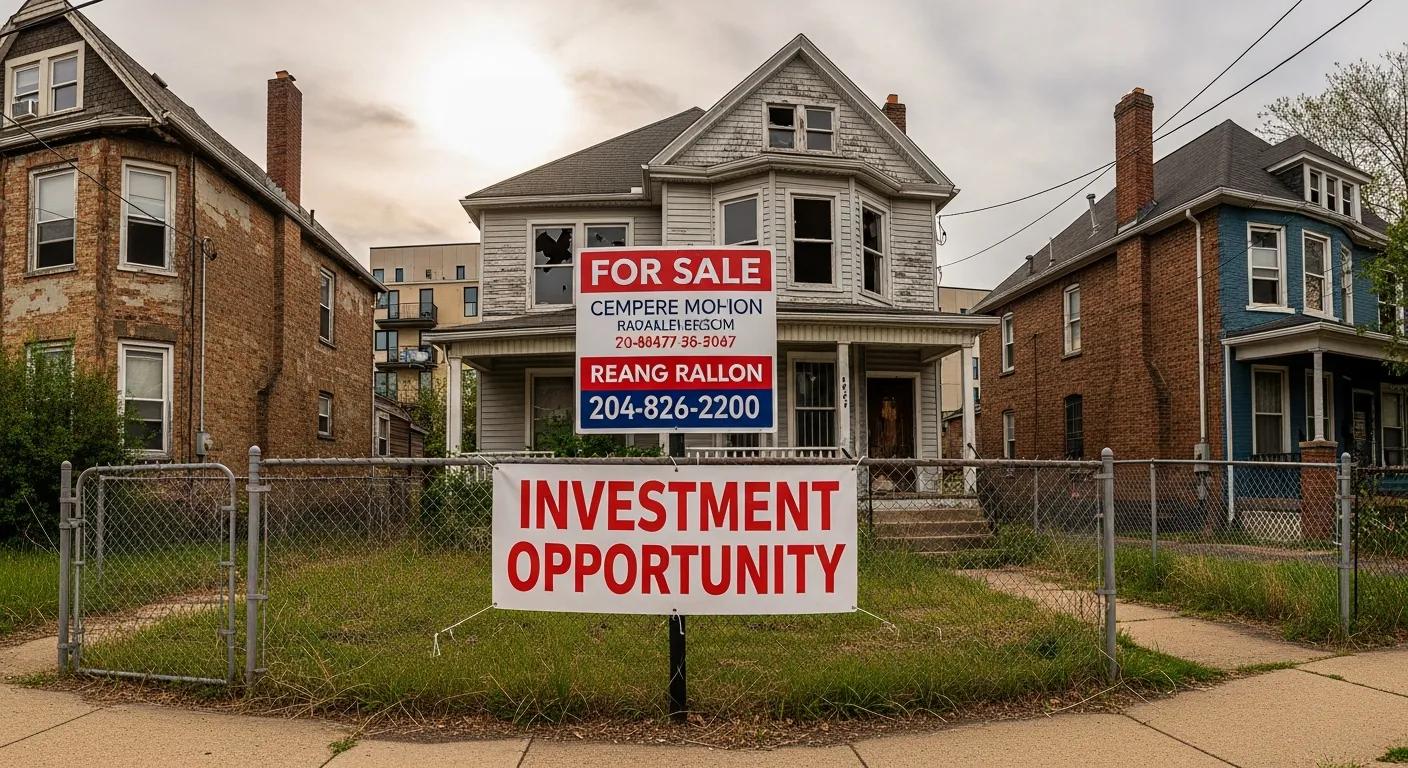
Distressed mortgage notes exhibit attributes that attract investors: lower acquisition prices relative to performing loans and potential for elevated returns when actively managed. Recovery value depends on borrower credit, collateral condition, and market demand for distressed assets. As the distressed-note market evolves, disciplined investors can identify attractive risk-adjusted opportunities.
Which Primary Sources Provide Non-Performing Notes for Acquisition?
Acquisition of non-performing notes requires familiarity with principal supply channels. Key sources include:
- Regulated Lenders: Banks and credit unions often sell non-performing loans to recover capital.
- Institutional Sellers: Hedge funds and private equity firms may offload distressed assets as part of their portfolio management strategies.
- Secondary Markets: Platforms dedicated to distressed asset sales facilitate transactions between buyers and sellers.
A structured understanding of these channels is essential for sourcing opportunities and executing transactions efficiently.
How Do Financial Institutions and Loan Servicers Dispose of Non-Performing Loans?
Lenders and servicers deploy multiple disposition mechanisms for NPLs, including:
- Negotiated Sales: Direct negotiations with potential buyers can lead to favorable terms for both parties.
- Portfolio Auctions: Selling a bundle of non-performing loans at auction can maximize recovery.
- Brokered Transactions: Engaging brokers who specialize in distressed assets can streamline the sales process.
Selecting the appropriate disposition method demands strategic planning to maximize recovery and minimise execution risk.
Effective NPL management and resolution underpin financial-system stability, as evidenced by prior crises and literature on best practices.
Understanding Non-Performing Loan Management & Resolution During the 2007 financial crisis, banks with elevated NPL ratios experienced capital shortages that reflected deficient management and limited loss-absorption capacity. High NPL levels curtailed lending activity and raised systemic concerns. The referenced review examines existing NPL management methodologies and distinguishes between ex-post and ex-ante approaches. (Management and Resolution methods of Non-performing loans: A Review of the Literature, D. Anastasiou, 2008)
What Role Do Secondary Markets and Distressed Asset Platforms Play?
Secondary markets and specialised distressed-asset platforms provide essential liquidity channels for NPL disposition. By broadening the pool of potential buyers, these platforms increase market efficiency, deepen competition, and can improve pricing outcomes for sellers.
What Are Effective Acquisition Strategies and Due Diligence Practices?

Effective acquisition strategies for non-performing notes combine rapid portfolio screening with rigorous due diligence. Key strategies include:
- Rapid Portfolio Review: Quickly assessing the potential of a loan portfolio can identify high-value opportunities.
- Thorough Due Diligence: Investigating the borrower’s financial history, property condition, and market trends is essential for informed decision-making.
- Customized Solutions: Tailoring acquisition strategies to specific market conditions can enhance success rates.
Buckingham Partners emphasizes these strategies in its acquisition framework for non-performing mortgage notes.
How to Conduct Comprehensive Due Diligence on Loan Portfolios
Conducting comprehensive due diligence on loan portfolios involves several critical steps:
- Initial Review of Portfolios: Assessing the overall quality and performance of the loan portfolio.
- Analysis of Loan Documentation: Scrutinizing loan agreements, payment histories, and borrower information to identify potential risks.
- Closing Process Details: Understanding the legal and procedural aspects of closing a deal ensures a smooth transaction.
These procedures are necessary to mitigate operational, legal, and credit risks associated with NPL acquisitions.
What Acquisition Approaches Optimize Risk and Return?
Optimizing risk and return in non-performing loan acquisitions requires strategic approaches, including:
- Loan Workouts: Engaging with borrowers to restructure loans can lead to better recovery outcomes.
- Direct Sales: Selling non-performing loans directly to investors can provide immediate liquidity.
- Foreclosure Considerations: Understanding the foreclosure process and its implications can inform acquisition strategies.
These approaches require an integrated strategy that balances recovery tactics with liquidity objectives and legal considerations.
How Are Non-Performing Loan Portfolios Valued and Risks Assessed?
Valuing non-performing loan portfolios involves several methodologies, including:
- Risk-Adjusted NPV: Calculating the net present value of expected cash flows while accounting for associated risks.
- Internal Rate of Return: Assessing the profitability of the investment over time.
- Total Recovery Estimates: Estimating the total amount that can be recovered from the loan portfolio.
Employing these valuation methodologies enables investors to quantify expected recoveries and compare risk-adjusted returns across opportunities.
Which Valuation Techniques Are Standard for Distressed Debt Portfolios?
Standard valuation techniques for distressed debt portfolios include:
- Risk-Adjusted NPV: This method considers the time value of money and the risk associated with the investment.
- Internal Rate of Return: A critical metric for assessing the potential profitability of the investment.
- Total Recovery Estimates: Providing a comprehensive view of the expected recovery from distressed assets.
These standard techniques form the analytical foundation for accurate valuation of distressed debt portfolios.
How to Evaluate and Mitigate Risks in Non-Performing Loan Acquisition?
Evaluating and mitigating risks in non-performing loan acquisition involves several strategies:
- Comprehensive Due Diligence: Thoroughly investigating all aspects of the loan and borrower.
- Understanding Regulatory Frameworks: Staying informed about regulations that may impact loan acquisition and management.
- Clear Exit Strategy: Developing a well-defined exit strategy can help manage risks effectively.
Adopting these measures is essential to control downside exposure and preserve investment returns in NPL transactions.
What Regulatory and Market Trends Influence Non-Performing Loan Sales in 2026?
As we look towards 2026, several regulatory and market trends are influencing non-performing loan sales:
- Impact of Compliance Obligations: Stricter regulations may affect how financial institutions manage and sell non-performing loans.
- Market Dynamics: Changes in economic conditions can influence the demand for distressed assets.
- Pricing Trends: Understanding current pricing trends is essential for making informed investment decisions.
These trends underscore the necessity of continuous market and regulatory monitoring when structuring NPL acquisitions.
How Do Recent Regulatory Changes Affect Loan Portfolio Disposition?
Recent regulatory changes have significant implications for loan portfolio disposition:
- Enhanced Compliance Obligations: Financial institutions must navigate new regulations that impact their ability to sell non-performing loans.
- Procedural Steps in Acquisitions: Understanding the procedural changes can streamline the acquisition process.
- Impact on Transaction Processes: Regulatory changes can alter the dynamics of how transactions are conducted.
Collectively, these developments require investors to integrate compliance assessments into transaction planning and execution.
What Are the Current Market Dynamics and Pricing Trends?
Current market dynamics and pricing trends for non-performing loans are shaped by various factors:
- Market Demand for Non-Performing Loans: Increased interest from investors can drive up prices.
- Pricing Trends in 2026: Understanding how prices are expected to evolve is crucial for strategic planning.
- Economic Factors Influencing Sales: Broader economic conditions can significantly impact the market for distressed assets.
Investors must incorporate these market dynamics into pricing, hold-period assumptions, and exit strategies.
How Does Buckingham Partners Provide Unique Solutions in Non-Performing Note Acquisition?
Buckingham Partners provides a boutique, confidentiality-driven approach to non-performing note acquisition and asset resolution. Their practice aligns with institutional lender requirements to deliver tailored, execution-focused solutions. Through disciplined evaluation and active asset management, Buckingham Partners operates as a reliable resolution partner.
What Tailored Acquisition Strategies Differentiate Buckingham Partners?
Buckingham Partners differentiates by prioritizing transaction speed and certainty. Rigorous due diligence protocols support informed decision-making, while bespoke structures address client-specific objectives and operational constraints.
Which Case Studies Demonstrate Successful Loan Portfolio Resolutions?
Several case studies illustrate Buckingham Partners’ success in resolving loan portfolios:
- South Carolina Funeral Home: Successfully navigated a complex acquisition process, resulting in a favorable outcome for all parties involved.
- Philadelphia Warehouse Property Case: Demonstrated effective asset management strategies that maximized recovery.
- New Jersey Loan Portfolio Case: Highlighted the importance of tailored solutions in achieving successful resolutions.
These engagements demonstrate Buckingham Partners’ capacity to resolve complex loan portfolios through tailored strategies and disciplined execution.
To discuss how Buckingham Partners can support your investment objectives, schedule a consultation to review specific mandates. You can book a consultation to learn more about their services.
Frequently Asked Questions
What are the risks associated with investing in non-performing loans?
Investment in NPLs entails material risks, including potential principal loss if recovery fails. Recovery processes can be protracted and resource-intensive, involving legal remedies or foreclosure. Asset price volatility can further degrade recoverable value. Robust due diligence on borrower credit and collateral condition is essential to mitigate these exposures.
How can investors determine the value of a non-performing loan?
Valuation of an NPL employs methods such as risk-adjusted net present value (NPV) and total recovery estimation. Investors should review payment history, current collateral market value, and encumbrances. Local market dynamics and macroeconomic conditions should inform recovery assumptions. Retaining valuation specialists enhances precision.
What role do loan servicers play in managing non-performing loans?
Servicers perform loan administration, borrower communications, and collection activities. They implement loan modifications or workouts and, where recovery is improbable, manage foreclosure or loan sale processes. Servicer expertise materially influences recovery timing and outcomes.
What are the benefits of purchasing distressed mortgage notes?
Distressed mortgage notes may deliver above-market returns due to acquisition discounts. Effective asset management—through workouts, resale, or foreclosure—generates recovery value. Additionally, distressed assets can diversify portfolios and provide tactical opportunities during market dislocations.
How do economic conditions influence the market for non-performing loans?
Macro‑economic cycles affect NPL volumes and pricing. Economic downturns typically increase NPL incidence and create acquisition opportunities at compressed prices; robust economic conditions generally reduce supply and apply upward pressure on valuations. Incorporating economic scenario analysis is critical for strategic planning.
What strategies can investors use to successfully acquire non-performing loans?
Successful strategies include comprehensive due diligence, leveraging relationships with financial institutions, and utilizing secondary markets. Rapid portfolio screening identifies priority targets; aligning bid structures with market conditions improves win rates. Collaborating with experienced brokers or specialist firms can streamline execution and negotiation.
How can investors stay informed about regulatory changes affecting non-performing loans?
Maintain regulatory awareness through industry publications, professional forums, and direct updates from supervisory agencies. Participation in sector conferences and consultation with legal and compliance advisors specialising in distressed assets ensures regulatory risks are identified and managed.
Conclusion
Sourcing NPLs provides investors the opportunity to acquire distressed assets at discounted entry points and achieve attractive risk-adjusted returns when executed with discipline. Mastery of asset characteristics, market dynamics, and tailored acquisition processes enhances outcomes. To evaluate how Buckingham Partners can support your strategy in this market, schedule a consultation.