Institutional investors entering the non-performing loan (NPL) market can employ joint ventures (JVs) to optimise acquisitions and allocate risk efficiently. JVs permit the pooling of capital and specialist capabilities, producing a consolidated vehicle for distressed-asset investment. This article examines how investors can structure and leverage JVs in NPL acquisition, outlining advantages, best practices and operational challenges. It also describes NPL characteristics, market dynamics that influence valuation and liquidity, and how prevailing trends inform portfolio disposition strategies.
This analysis delivers practical guidance on JV execution, risk management frameworks and illustrative case studies, together with regulatory updates that may affect investor decision-making. By applying the recommended frameworks and collaborating with experienced partners, such as Buckingham Partners, investors can materially improve outcomes in managing non-performing notes.
Advantages:
Joint ventures offer investors material benefits in the acquisition of non-performing notes, enhancing capacity and strategic flexibility.
- Resource Sharing: Joint ventures enable participating investors to combine financial and operational resources, thus increasing their capacity to acquire larger portfolios.
- Expertise Access: Partners bring diverse skill sets and knowledge, enhancing insight into purchase negotiations, due diligence, and asset management.
- Risk Mitigation: Sharing investment responsibilities reduces the financial burden on individual investors, facilitating a more balanced approach to risk management.
Collectively, these benefits can provide a sustained competitive advantage in the challenging NPL sector.
Best Practices:
Investors should adopt the following best practices to optimise joint-venture performance in the NPL market:
- Thorough Due Diligence: Investors must conduct comprehensive research on potential partners, ensuring alignment in goals and capabilities.
- Clear Governance Structures: Establishing well-defined roles and responsibilities minimizes misunderstandings and streamlines decision-making processes.
- Regular Performance Monitoring: Continuous assessment of the partnership’s performance allows for timely adjustments and improved operational efficiency.
Adherence to these measures helps ensure joint ventures remain aligned with their stated objectives and operate with efficiency and accountability.
Potential Challenges:
Investors should be cognisant of several obstacles inherent to joint ventures when engaging in NPL acquisition.
- Alignment of Interests: Ensuring all partners have a common vision and expectations can be a challenge that requires open communication.
- Complexity in Management: Managing partnerships can introduce complexities, necessitating clear processes and accountability measures.
- Regulatory Compliance: Navigating the regulatory landscape can be daunting, requiring vigilance to adhere to evolving laws and regulations affecting joint ventures.
Proactive measures to address these points reduce operational friction and regulatory exposure.
What Defines Non-Performing Loans and Their Market Dynamics?
Non-performing loans (NPLs) are loans on which borrowers have failed to make scheduled payments for a period typically exceeding 90 days. A precise understanding of these instruments is essential for informed investment decisions.
NPL volumes and pricing respond to macroeconomic conditions, interest-rate movements and borrower conduct. Economic stress tends to increase the supply of distressed debt; investors must monitor these indicators to identify acquisition windows that align with their risk-return profiles.
What Are the Core Characteristics of Non-Performing Loans?
Investors should assess the following defining characteristics when evaluating NPL portfolios:
- Default Status: They represent loans where the borrower has defaulted on repayment, indicating increased risk.
- Market Dynamics: The valuation of NPLs is complex, influenced by underlying asset values and broader market conditions.
- Valuation Challenges: Determining the accurate price for non-performing loans can be difficult due to their inherent risks and uncertainties.
A clear understanding of these attributes informs risk-return assessments and pricing decisions.
How Do Market Trends Influence NPL Portfolio Disposition?
Macro trends materially shape disposition strategies for NPL portfolios. Movements in interest rates, employment and broader economic indicators directly affect asset performance and recovery prospects.
Periods of economic downturn commonly produce greater NPL supply; investors can respond by adjusting exit strategies and recovery approaches to optimise recovery rates and realise superior returns.
How Are Joint Ventures Structured in Non-Performing Note Acquisition?
Joint ventures are structured to pool capital and specialist capabilities, creating a consolidated investment vehicle that improves scale and operational capacity for NPL acquisition.
What Roles and Capital Contributions Define a Joint Venture Partnership?
Explicitly defined roles and capital commitments form the operational foundation of a joint venture. This includes:
- Partner Roles: Identifying strengths among partners ensures a balanced distribution of responsibilities.
- Financial Contributions: Partners contribute varying amounts of capital, depending on their financial strategies and risk tolerance.
- Profit Sharing: The agreed-upon framework for profit distribution must reflect the contributions and risks borne by each partner.
Which Flexible Partnership Models Optimize Distressed Debt Investments?
Flexible partnership models permit tailoring to transaction specifics and allow adaptation to the unique circumstances of each investment. Examples of adaptable frameworks include:
- Resource Pooling Models: These arrangements enable partners to leverage their collective assets for greater purchasing power.
- Expertise-Based Structures: These structures find alignment in operational capabilities, such as legal and financial expertise, enhancing overall investment acumen.
- Risk-Sharing Frameworks: By distributing risks across partners, all parties can pursue more aggressive acquisition strategies, enhancing opportunities for rewards.
What Are the Key Risk Management Strategies in Distressed Debt Joint Ventures?
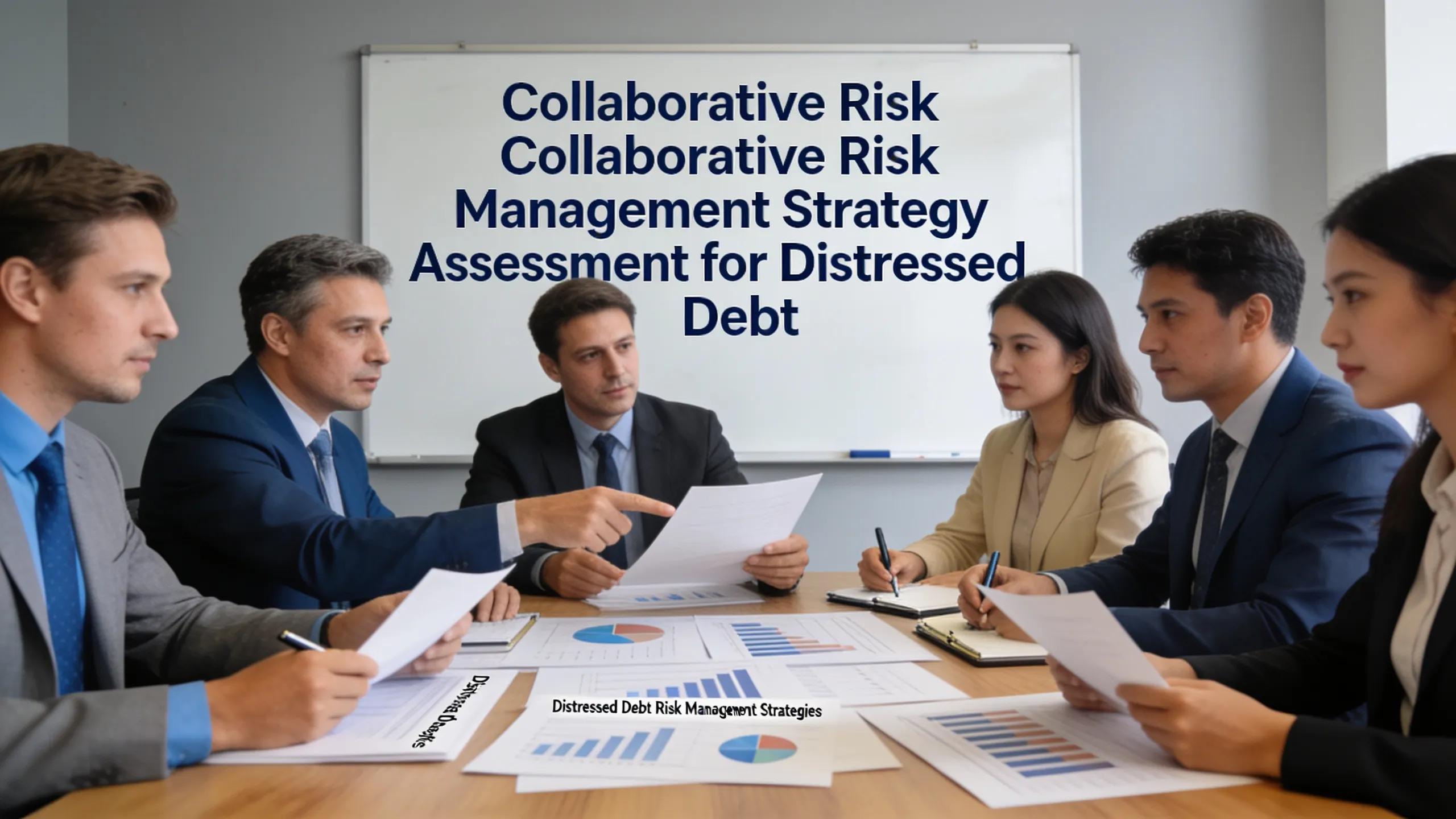
Robust risk management is essential for joint ventures investing in distressed debt. Core strategies include rigorous risk identification, targeted mitigation techniques and continuous performance evaluation.
- Identifying Specific Risks: Thorough identification of potential risks, including market and borrower-specific uncertainties, forms the cornerstone of effective risk management.
- Mitigation Techniques: Implementing strategies such as diversification in loan types and borrower profiles can help distribute risk.
- Successful Implementations: Ongoing evaluation of implemented strategies ensures continuous optimization of risk management practices.
Applying these controls reduces downside exposure while preserving upside potential in NPL investments.
How Do Investors Mitigate Risks Associated with Non-Performing Loans?
Investors should apply the following mitigants when acquiring non-performing loans:
- Due Diligence: Comprehensive assessments of borrower profiles and loan originations help in identifying red flags prior to acquisition.
- Diversification: By investing in a diverse range of loans, investors can cushion against losses that may arise from individual loan defaults.
- Legal Protections: Implementing sound legal agreements helps secure financial interests, ensuring compliance and protecting against unforeseen events.
What Legal and Financial Protections Are Critical in JV Agreements?
Contractual and regulatory safeguards are critical in JV agreements. Key protections include:
- Legal Protections: Well-drafted joint venture agreements must incorporate clauses that manage potential disputes and delineate responsibilities and liabilities.
- Financial Responsibilities: Clarity in financial commitments ensures that all partners are aligned in their investment strategies.
- Compliance Requirements: Vigilance in meeting legal and regulatory obligations is critical for the sustainability of joint ventures.
These safeguards enable investors to manage JV complexity while maintaining regulatory and operational stability.
Which Case Studies Demonstrate Successful Joint Ventures in Note Acquisition?

Empirical case studies illustrate the measurable efficacy of joint-venture structures in acquiring and resolving non-performing loans.
What Quantifiable Outcomes Have Our Joint Ventures Achieved?
Historical joint ventures demonstrate measurable improvements in recovery metrics and investment returns relative to individual approaches. Representative outcomes include:
- Effectivity Measures: Demonstrated increases in recovery rates compared to individual approaches.
- Recovery Rates: Enhanced performance metrics indicate that pooled resources often achieve better results in note resolution.
- Investment Returns: Documented performance data from previous partnerships reveal higher returns on investment when leveraging joint venture structures.
How Do These Case Studies Illustrate Effective Investor Collaboration?
These case studies highlight principles of effective collaboration that drive successful outcomes. Key insights drawn from the examples include:
- Collaborative Success Aspects: Each successful venture reflects a strong alignment of interests between partners, leading to mutually beneficial outcomes.
- Lessons Learned: Continuous improvement from prior ventures can influence future strategies in loan acquisition, enhancing overall performance.
- Strategic Recommendations: Emphasizing the importance of clear communication and defined roles assists in fostering cooperation and cultivating effective partnerships.
What Are the Latest Regulatory and Market Trends Impacting Joint Ventures in NPL Acquisition?
Continuous monitoring of regulatory developments is essential; policy changes can materially affect how investors structure and execute joint ventures in the NPL sector.
How Are 2024-2026 Regulatory Changes Affecting Financial Institution Loan Disposition?
Regulatory revisions projected for 2024–2026 will reshape NPL disposition frameworks and require investors to update compliance protocols. Principal implications include:
- Compliance Obligations: Financial institutions will face stricter guidelines, influencing how loans are acquired and sold.
- Changes in Market Behavior: Adjustments in regulation could affect the availability of NPLs, pushing investors to recalibrate their strategies.
- Influence on Joint Ventures: As regulations evolve, partnerships may need to adapt their structures and practices to remain compliant and competitive.
What Market Data Trends Signal Opportunities for Distressed Debt Partnerships?
Observed market indicators point to opportunities for distressed-debt partnerships. Notable signals include:
- Market Indicators: Fluctuations in economic conditions often lead to increased non-performing loans, signaling potential investment opportunities.
- Partnership Potential: The presence of strong financial institutions willing to engage in joint ventures offers avenues for collaborative acquisitions.
- Upcoming Trends: Analysts project moderate growth in the NPL market, suggesting expanding opportunities for strategic partnerships in the near future.
How Can Investors Effectively Partner with Buckingham Partners for Note Acquisition?
Investors seeking market entry may derive material benefit from collaboration with Buckingham Partners, which specialise in acquisition and resolution strategies for distressed debt.
What Is the Process to Initiate Collaboration on Distressed Debt Portfolios?
Engagement with Buckingham Partners follows a structured process that includes:
- Contact Initiation: Reaching out to Buckingham Partners via email provides an essential first step in establishing collaboration. We encourage you to use their contact page for efficient communication.
- Objectives Definition: Clearly outlining investment objectives and expectations ensures alignment and a shared vision.
- Diligence Engagement: Engaging in thorough diligence will enhance trust and transparency in the partnership process.
Investors may schedule meetings through the firm’s established channels to ensure a methodical initiation of collaboration.
How Does Buckingham Partners Provide Capital and Expertise in Joint Ventures?
Buckingham Partners contributes both capital and operational expertise to joint ventures, typically providing the following capabilities:
- Capital Provision: Providing the necessary financial backing to initiate and support NPL acquisitions.
- Expertise in Negotiation: Leveraging industry knowledge facilitates advantageous negotiating positions during the acquisition process.
- Operational Results: Experienced management ensures efficient operations, maximizing the potential for recovery and investment return.
Leveraging these capabilities enables investors to realise enhanced value in joint ventures focused on non-performing note acquisition.
Frequently Asked Questions
What are the key metrics to measure success in joint ventures for NPL acquisitions?
JV success is measured by recovery rates, return on investment (ROI) and operational-efficiency metrics such as resource utilisation and negotiation outcomes. Systematic monitoring of these KPIs enables iterative refinement of strategy and execution.
How can investors ensure compliance with evolving regulations related to NPLs?
Maintain an up-to-date compliance programme, retain legal counsel experienced in financial regulation and implement regular governance reviews and partner training to mitigate regulatory risk within the JV.
What role does market research play in NPL joint ventures?
Rigorous market research supplies insight into macroeconomic trends, borrower profiles and competitive dynamics, informing acquisition timing, pricing and disposition strategy for joint ventures.
How can joint ventures adapt to sudden market fluctuations?
Maintain operational flexibility, pre-defined contingency plans and accelerated governance mechanisms. Regular asset-performance reviews and decisive partner communication enable timely tactical adjustments.
What are common pitfalls in managing joint ventures in the NPL market?
Common failures include misaligned incentives, inadequate communication and insufficient due diligence. Addressing these deficits early preserves value and supports effective decision-making.
How does technology support joint ventures in acquiring NPLs?
Advanced analytics, portfolio-valuation platforms and secure collaboration tools enhance due diligence, improve valuation accuracy and streamline partner coordination. Automation of compliance and reporting reduces administrative burden and accelerates execution.
Conclusion
Joint ventures enable investors to combine capital, specialised expertise and disciplined risk management to improve outcomes in non-performing note acquisition. Engaging experienced advisers enhances execution certainty and operational efficiency. Start by exploring our range of services designed to align with your investment objectives.