
Accurate assessment of occupancy status is a critical input when acquiring non-performing notes. Occupancy verification materially affects valuation metrics, risk estimates and projected recoveries. This analysis summarises verification methods, the impact of occupancy on collateral value, and practical approaches to detect occupancy-related fraud, enabling investors to refine valuation assumptions and improve portfolio outcomes.
What Are the Key Factors in Non-Performing Loan Occupancy Verification?
Occupancy verification for non-performing loans requires clear methods, discrete data points and recognition of common verification obstacles. Verification accuracy directly influences collateral valuation and the range of viable resolution paths. Diligent management of these elements strengthens investment underwritings and supports decisive portfolio actions.
Which Verification Methods Are Used to Confirm Borrower Occupancy?

Investors deploy a mix of approaches, each with defined trade-offs in cost and evidentiary value. Where necessary, investors engage subject-matter experts to validate processes and outcomes, recognising that structured due diligence is central to successful acquiring distressed assets.
- Site Visits: Direct inspections help verify the physical presence of occupants and can reveal the property’s condition and any neglect.
- Document Verification: Analyzing documents, such as tax records or utility bills, provides insights into the property’s usage and occupancy status.
- Borrower Communication: Engaging directly with the borrower can yield valuable information about their ability to maintain occupancy and manage the loan.
Collectively, these approaches constitute the foundation of a rigorous occupancy verification framework, enabling evidence-based valuation and disposition decisions.
How Does Occupancy Status Impact Loan Collateral Valuation?
Occupancy status materially influences collateral valuation and marketability. Owner-occupied properties typically present lower downside volatility and stronger resale prospects than vacant assets, while tenant-occupied properties are valued also for income potential. Understanding these distinctions is essential when calibrating valuation models and reserve assumptions. Many investors engage specialized financial partners for valuation support and execution.
| Occupancy Status | Valuation Impact | Risk Level |
|---|---|---|
| Owner-Occupied | High Stability | Low |
| Tenant-Occupied | Moderate Stability | Moderate |
| Vacant | Low Stability | High |
Verified occupancy enhances an asset’s marketability and supports more favourable pricing and disposition strategies during resolution.
How Do Investors Detect and Mitigate Occupancy Fraud in Distressed Asset Acquisition?
Identification of occupancy fraud protects asset value and investor recoveries. Effective detection combines procedural controls, records reconciliation and technology-enabled monitoring to surface inconsistencies between claimed and observed occupancy.
- Audits: Conducting regular reviews of borrower status through documented communications and site visits can identify irregularities.
- Cross-Referencing: Utilizing public records to verify the ownership and occupancy history of properties can reveal inconsistencies.
- Technology Utilization: Implementing advanced data analytics tools can streamline the detection processes and provide additional insights into occupancy patterns and risks.
Such controls reduce exposure to false occupancy assertions and improve the accuracy of investment valuations.
What Are the Strategic Implications of Occupancy Status for Note Valuation and Portfolio Resolution?
Occupancy status shapes both individual note valuation and aggregated portfolio strategy. Verified occupancy information refines risk-adjusted return expectations, informs workout options and helps prioritise allocation of remediation resources. Adherence to sector best practices and specialist consultation enhances decision quality.
How Does Verified Occupancy Enhance Loan Portfolio Disposition Strategies?
Confirmed occupancy supports stronger disposition strategies by lowering perceived asset risk and increasing buyer interest. Verification creates negotiating leverage and allows investors to optimise pricing and transactional terms based on demonstrable stability or income characteristics.
- Market Positioning: Investments in occupied properties present a more favorable profile for potential buyers.
- Bid Optimization: Verified occupancy enhances the competitive positioning of assets in the market.
- Revenue Assessment: Properties with tenants are often valued based on income generation potential, impacting the overall strategy of portfolio management.
What Role Do Financial Institutions Play in Occupancy-Based Risk Assessment?
Financial institutions integrate occupancy data into credit and portfolio risk frameworks. This input refines collateral valuations, informs lending criteria and supports decisions on loan modifications, foreclosures and capital allocation across portfolios.
- Lending Criteria: Insurers and lenders may adjust their risk assessments and criteria based on the occupancy data provided by investors.
- Loan Modifications: Institutions can propose modifications on loans with verified occupancy, potentially leading to better recovery rates.
- Market Intelligence: Financial institutions leverage aggregated occupancy data to forecast market trends, enhancing their institutional knowledge and lending effectiveness.
For ongoing support and strategic partnership in navigating these matters, contact dedicated financial advisors.
Which Technologies and Tools Optimize Occupancy Verification in Non-Performing Note Acquisition?
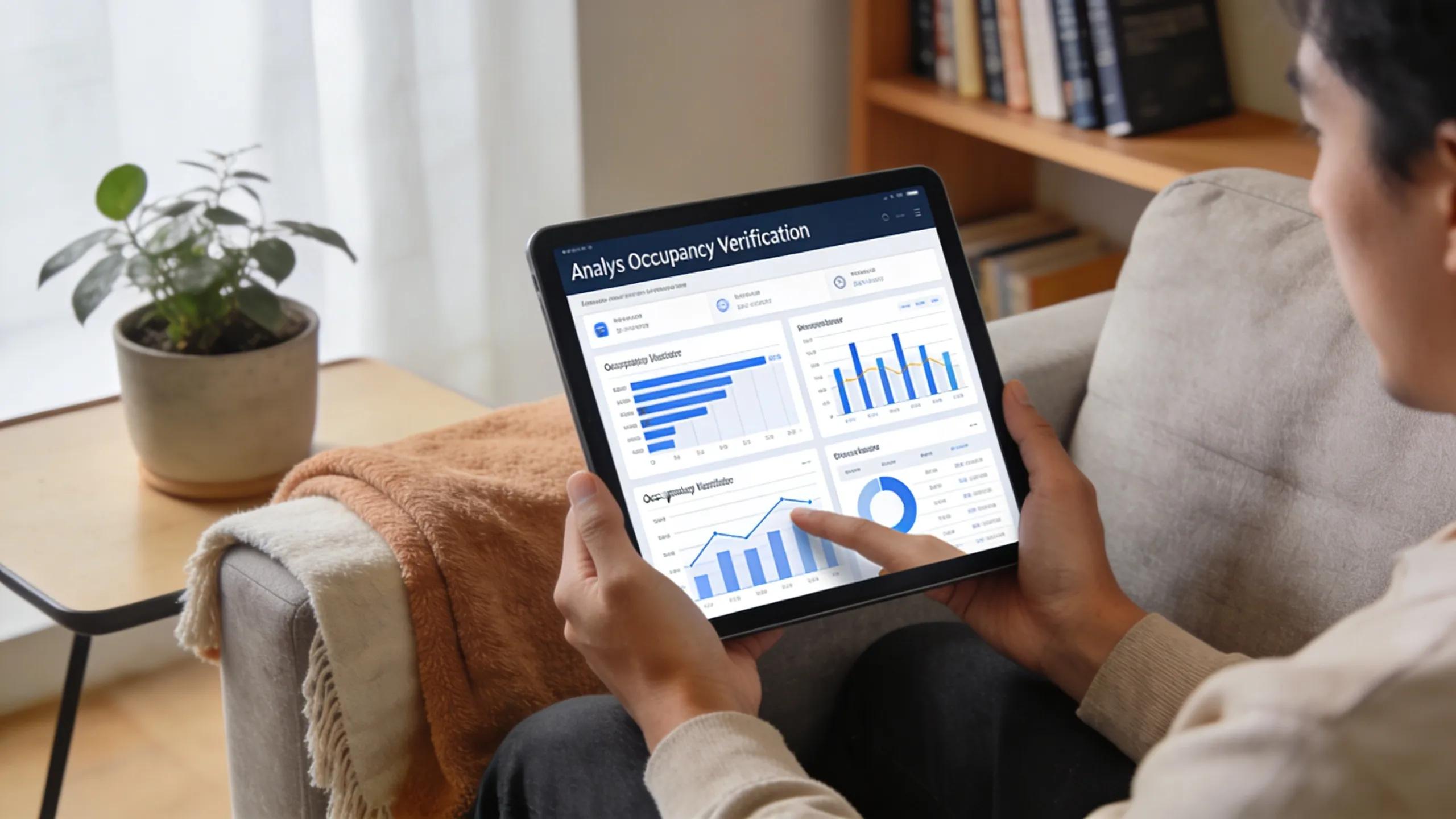
Investors increasingly adopt remote sensing, advanced analytics and immutable record technologies to strengthen verification processes. These tools reduce uncertainty and accelerate evidence collection for occupancy determination.
- Remote Sensing Technology: Drones and satellite imagery can provide updated views of properties, helping to confirm their condition and occupancy status.
- Data Analytics Tools: Advanced analytics can help in predicting occupancy trends based on historical data.
- Blockchain Technology: The use of blockchain can provide transparent and immutable records of property transactions, including occupancy histories.
When integrated with traditional due diligence, these technologies provide higher-confidence inputs to valuation models and operational decision-making.
Frequently Asked Questions
What are the common challenges investors face during occupancy verification?
Common challenges include limited access to reliable data sources, property legal disputes, unclear title or ownership records and communication barriers with borrowers. Market volatility can also change occupancy status between assessment points, requiring continuous monitoring to maintain accuracy.
How can technology streamline the occupancy verification process?
Technology streamlines verification through automation, remote observation and pattern analysis. Remote sensing and satellite imagery reduce the need for frequent site visits, while analytics platforms identify occupancy trends. Automated document verification accelerates record processing and reduces manual error in the verification workflow.
What type of documentation is essential for verifying borrower occupancy?
Core documentation includes utility statements, tax records and lease agreements. Supplementary records such as pay stubs, bank statements, affidavits or rental agreements further corroborate occupancy and the borrower’s capacity to sustain residence or tenancy.
How can occupancy verification impact investor negotiations?
Verified occupancy lowers perceived asset risk and strengthens negotiating positions. Evidence of occupancy and cash flow potential supports higher bid expectations and enables more targeted pricing and contractual terms during disposition or sale.
What best practices should investors follow for ongoing occupancy monitoring?
Best practices include maintaining regular communications with occupants or property managers, deploying analytics to track occupancy indicators, conducting periodic audits and preserving documented records of interactions and status changes. Proactive monitoring reduces fraud risk and supports informed asset management.
Why is understanding occupancy legalities crucial for investors?
Occupancy legalities affect strategy and risk because tenant protections, eviction procedures and property management requirements vary by jurisdiction. Familiarity with applicable laws is necessary to structure compliant workout solutions and to protect investor interests during loan modification or foreclosure processes.
Conclusion
Accurate occupancy verification is a foundational element of non-performing note valuation and portfolio resolution. Robust verification protocols reduce fraud risk, improve valuation precision and support more effective disposition strategies. To maximise investment outcomes, employ advanced verification tools and expert advisory support. Discover how our consulting services can help you navigate the complexities of distressed asset investments today.